 Travelers are never shy about sharing their bad experiences with airlines on social media. Facebook, X, Threads, and TikTok are full of posts from frustrated travelers seeking help from the airline.
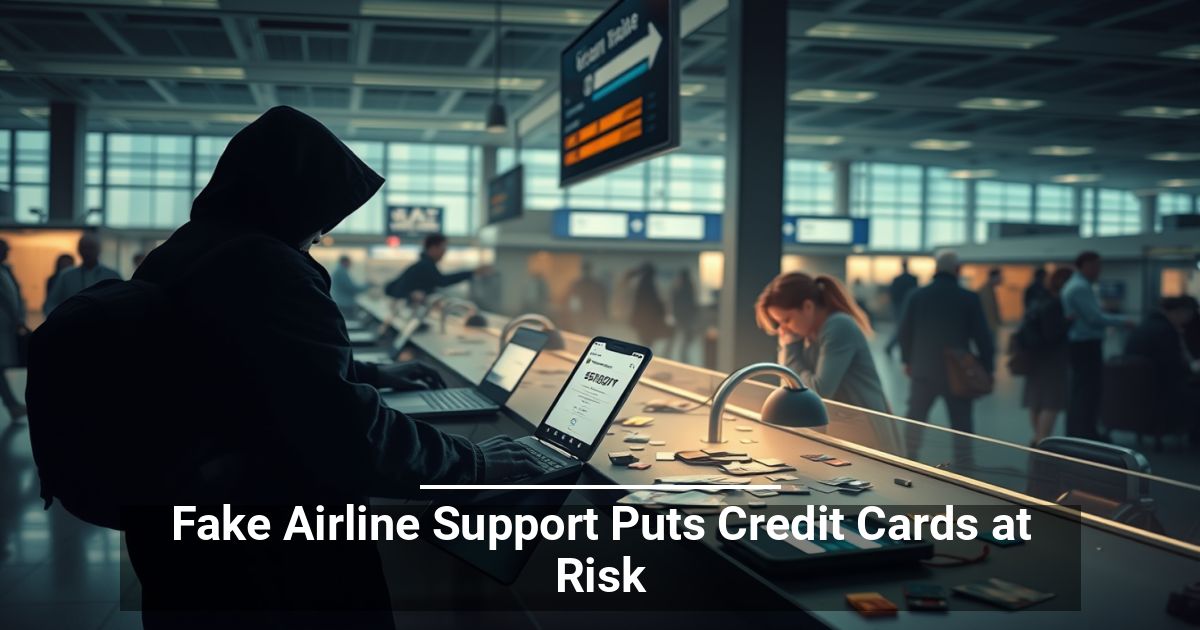
But responses don’t always come from the right place. Scammers have realized that online travel complaints are a great place to find people who are publicly asking an airline for help, leading to an uptick in fake airline support accounts. The friendly response you get from a “help desk” could be a criminal pretending to help you while stealing your personal and credit card information.
Why Travel Complaints Attract Scammers
People make public posts tagging airlines because they want help. These posts can get a response, but they also give scammers key information that they can use to trick you.
Research from the cybersecurity company Check Point revealed thousands of fake airline support accounts. Fake airline customer support accounts can look authentic at first glance because they use airlines’ genuine logos, profile information, and usernames, such as “Help Desk” or “Customer Support,” that seem legitimate.
They respond quickly to customer complaints, often apologizing and offering to help privately. Eager to resolve their issues, customers often don’t hesitate to move to a direct message or WhatsApp message, unaware that the friendly representative on the other end of the chat is a scammer.
When the Conversation Moves to Private Messages
Once the scammer moves the conversation to a private channel, they can ask for more information. They often begin with an apology and a promise to make things right, which can create the opportunity to request credit card information.
Victims are typically asked to share personal details and the specifics of their travel issue. The scammer may eventually request payment information, under the guise of processing a refund or rebooking a flight. Some scammers push for a direct wire transfer or send a form designed to harvest your contact information for further scams beyond credit card information theft.
Customers who are already frustrated may be especially vulnerable because they want a fast fix and may be less likely to scrutinize the account. With that in mind, business travelers should be careful when seeking help to avoid airline support scams and always double-check that they’re communicating with the actual company, not fraudulent customer service accounts.
Businesses Can Be Targeted, Too
Businesses with active social media accounts can also fall victim to impersonation. Fake accounts can impersonate your brand, so watch for suspicious profiles and report them quickly. It also helps to make legitimate support procedures easy for customers to recognize. Customers should know where to find official contact information and what sensitive information a company will never request through social media.
Fake airline support shows how quickly an ordinary complaint can turn into an opportunity for fraud. These airline complaint scams remind us that data theft doesn't always come from a hacked database, and that staying alert and skeptical is the best way to protect your personal and corporate data.